Understanding the Role of a Commercial General Contractor in Delivering Quality Building Projects
A commercial general contractor is essential to the building sector. They ensure projects meet deadlines and stay within financial limits. Their role involves managing intricate timelines and coordinating various parties. This integration is critical for preserving standards of quality and safety. Understanding their responsibilities reveals how they influence project outcomes. Which particular methods do they use to manage hurdles and provide successful deliveries?
The Importance of a Commercial General Contractor
Although some may misjudge their importance, a commercial general contractor is critical for successful construction endeavors. Functioning as the central point of contact, these professionals confirm that all parts of the build are unified without issue. Their expertise encompasses not only project management but also effective communication between stakeholders, including clients, subcontractors, and suppliers. By monitoring resource allocation, budgets, and schedules, they mitigate risks and streamline operations.
Furthermore, commercial general contractors handle intricate regulatory landscapes, ensuring adherence to local safety standards and building codes. Their experience in resolving conflicts and solving problems is crucial, particularly when surprising obstacles appear during the project. Ultimately, a skilled commercial general contractor cultivates partnerships, heightens productivity, and supports the project's quality. Their key position sets the stage for positive results, making them necessary for all building projects, regardless of size or intricacy.
Key Responsibilities of a Commercial General Contractor
While overseeing a construction project, a commercial general contractor assumes a multitude of key responsibilities that are critical for a positive outcome. Primarily, they handle the construction calendar, guaranteeing that timelines are adhered to and that the project progresses as planned. They also control the budget, managing expenses and ensuring resources are allocated efficiently.
The contractor is also accountable for securing and overseeing subcontractors, choosing skilled experts for niche assignments such as piping and wiring tasks. They make certain the project conforms with regional building laws and safety guidelines, lessening dangers associated with construction activities.
Furthermore, a commercial general contractor is responsible for securing necessary permits and licenses to aid in the construction workflow. The contractor performs routine site checks to monitor quality and progress, addressing any issues that arise immediately. In essence, their function is to ensure that the outcome satisfies requirements, is completed on time, and is associated resource delivered within budget.
Managing Coordination and Communication in Building Projects
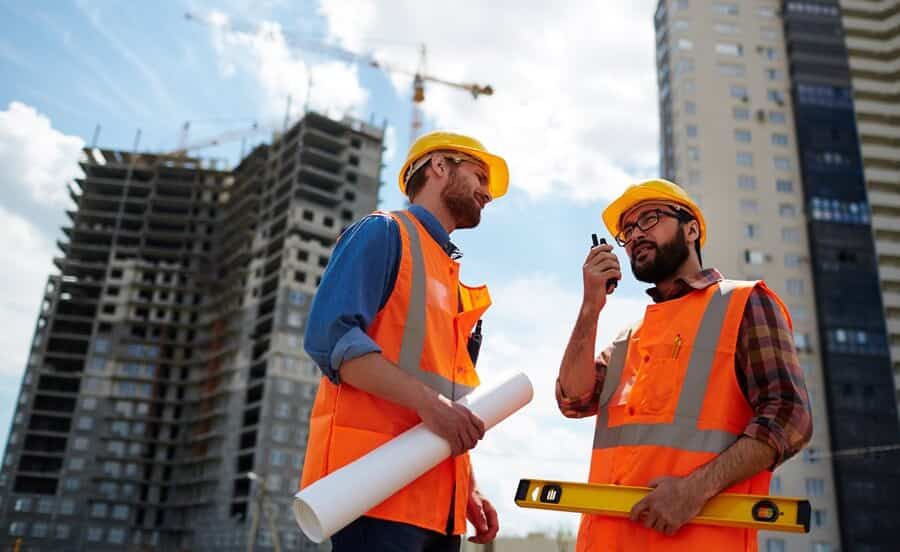
Effective coordination and communication are essential elements in the successful completion of building projects, as they ensure all parties are in agreement with the project's objectives and schedules. The general contractor is central in making this happen by setting up defined communication channels among subcontractors, suppliers, clients, and architects. They make certain that updates regarding potential issues, modifications, and progress updates are communicated efficiently and quickly.
Regular meetings and status reports are integral to this coordination, allowing for the timely resolution of conflicts and the necessary alteration of schedules. The contractor's skill in promoting teamwork among diverse teams boosts the project's overall effectiveness and minimizes misunderstandings. The adoption of project management tools and software can streamline communication, guaranteeing everyone can view to the latest data. Ultimately, effective coordination and communication lead to better project results and stakeholder satisfaction in the construction industry.
Budget Management and Financial Oversight
Budget management and financial oversight are essential to the successful execution of construction projects, guaranteeing efficient resource allocation and spending is contained. A commercial general contractor is key in this process by developing detailed budgets based on project scope and client expectations. They oversee all expenses throughout the entire project, spotting deviations and making necessary adjustments to steer clear of exceeding the budget.
The contractor works closely with suppliers and subcontractors to finalize agreements, ensuring competitive pricing while preserving high quality. Frequent financial updates and forecasts permit stakeholders to stay informed and make timely decisions. By implementing stringent financial controls, the contractor lessens the likelihood of problems associated with unanticipated expenditures, keeping the project financially sound. Crucially, prudent fiscal management and oversight improve the feasibility of the project but also build confidence among stakeholders, leading to the successful conclusion of the project.
Maintaining High Safety and Quality Levels
Rigorous adherence to safety and quality requirements is essential in the construction industry, where the stakes are high and there is little room for mistakes. General contractors in the commercial sector are key players in implementing rigorous safety protocols and standards of quality from start to finish. Contractors must comply with industry standards, local codes, and best practices, which minimizes project risks and enhance overall project integrity.
In order to meet these goals, contractors often perform frequent job site reviews, check that safety procedures are followed, and supply regular workforce instruction. They select skilled suppliers and subcontractors who are dedicated to high standards, guaranteeing that labor and supplies adhere to set standards. By fostering a culture of safety and quality, commercial general contractors not only protect their workforce but also increase the permanence and strength of their structures, resulting in successful projects and happy customers.
FAQs
What Qualifications Should I Look for in a General Contractor?
In choosing a general contractor, one should consider their experience, references, licenses, portfolio, and insurance coverage - Hickory top rated Commercial General Contractor. Moreover, clear communication capacity and a demonstrated ability to manage time and financial constraints are essential for successful project delivery
What is the Best Way to Choose the Right Contractor for My Project?
To select the right contractor, one should evaluate their experience, check references, look at previous work, confirm licenses and insurance, and guarantee clear communication. A comprehensive interview stage can help reveal if they are a good fit for the project.
What Difficulties Do Commercial General Contractors Often Encounter?
Commercial general contractors often face challenges such as budget constraints, scheduling conflicts, labor shortages, regulatory compliance, and managing subcontractors. These difficulties have the potential to influence the overall quality, budget, and duration of the project unless managed properly during construction.
How Do Builders Deal With Surprises During the Construction Phase?
When faced with unforeseen problems, contractors typically respond by rapidly assessing the problem, creating backup strategies, and communicating with stakeholders. Hickory top rated Commercial General Contractor. The staff often depend on teamwork and their experience to enact solutions, ensuring minimal disruption to the project's budget and timeline
What is the Typical Timeline for a Commercial Construction Project?

The average schedule for a business construction job spans several months to a few years, based on factors such as the project's extent, its complexity, the necessary permits, and the availability of materials and labor.